Read a free excerpt from my new book all about parenting teenagers.
The following is an extract from the introduction of ‘How to Raise a Teen‘. I hope you enjoy it!
It was the spring of 1992. John Major’s Conservative Party had just won a second term in the UK’s general election, Disneyland Paris had just opened, George Michael wowed millions when he performed on stage with Queen at the Freddie Mercury tribute concert at Wembley Stadium, Kate Moss had just posed topless with Mark Wahlberg for a Calvin Klein advert and Beverly Hills, 90210 was the most talked about show on TV.
I was sixteen, just about to take my GCSE exams, struggling with anxiety and low self-esteem and trying to work out who I was and what I wanted to be in a family who had already decided for me. I was a talented artist and wanted to study fine art at a college in London. My parents, however, were concerned that this wasn’t an appropriate career choice, and it was decided, with little input from me, that art should instead remain a hobby and I would move from my state high school to take my A-levels at a local private school. My artistic skills had won me an art scholarship, making it affordable for my parents who had grown up in large families with little money in the East End of London and left school with only a handful of O-levels between them. It was a dream for them to have a child at such a prestigious school. It wasn’t my dream, though my dream didn’t matter, because I was young and naïve about ‘the real world’.
My nickname during this period was ‘Stroppy Sarah’. Still, I was a ‘good girl’. I rarely rebelled, broke curfews or answered back. I did my homework and begrudgingly completed my chores. I also spent hours alone in my bedroom, decorated with black and white Athena posters, sulking after disagreements with my parents. I can vividly remember desperately wanting them to come to my room and say, ‘It’s hard being a teen. How can I help?’ But they never did. Instead, I spent hours sulking and brooding, trying to find a sense of belonging in a world full of people who I felt didn’t understand me. ‘Stroppy Sarah’ thought she was the problem, or at least her hormones (something else her emotionally erratic behaviour was frequently blamed on) and her age were. Nobody told her anything different. It took years for her to develop self-confidence and to pursue her own path in life, one that led to writing rather than art – but still, a creative career that teen Sarah would likely have been steered away from.
Why am I telling you all this? Because it’s so important that we remember how we felt as teenagers ourselves if we want to truly understand the teenagers in our lives today.
I’d like you to take a pause from reading this book for a moment to revisit your own adolescence. Try to think of a time between the ages of thirteen and twenty-one, when you felt similarly misunderstood or unsupported by your parents or carers. Take a piece of paper or use your electronic device and write a few sentences about what was happening at that time in your world.
How were you feeling?
How were you behaving?
What did you hope your parents or carers would say to you?
What did they actually say or do?
Keep these words safe, because I’d like you to refer back to them later in this book. For now, however, just acknowledge that there were always underlying feelings beneath your so-called problematic behaviour as a teen, and often they revolved around not being understood or supported by those closest to you. Sadly, we forget all too quickly, but revisiting your own past feelings is key to deciphering those of your teen today.
We often paint teenagers in a negative light. We call them rude, disrespectful, manipulative, stubborn and deliberately defiant. We are wrong. We have all been teenagers; we know how misunderstood we felt. We know that any time we said, or did, something that could be construed as disrespectful there was an unmet need, or problem driving our behaviour. We all felt, at times, disrespected by adults. We all vowed, at some point, that we wouldn’t be like them if we ever had children in the future . . .and yet here we are.
Teenagers today get as much short shrift as we did in our own teen years. Nothing has changed, except we are now the adults, and we have, indeed, become the grown-ups we swore we never would.
Society has a funny way of perpetuating distrust and disdain towards teenagers. This is nothing new, with frequent protestations about the state of ‘the youth of today’ and how teen behaviour is apparently worse than ever (a myth we will bust later in this book). Teenagers have always been the butt of jokes and the cause of many complaints from adults, and I suspect they always will be. My hope with this book, however, is to try to change things a little. I want to help readers, including you, not only to see how magical their teens are (or the teens that they teach or care for) but to understand them a little more, to make things easier and happier for all.
Am I suggesting that teenagers are always right and adults are always wrong? Absolutely not. Teens often do, and say, stupid things – indeed, I expect this is part of the reason why you’re reading this book – and raising them is often infuriating and exhausting.
They make mistakes, they get angry, they get into trouble, they can be lazy, rude, obstinate and argumentative. I’m not making excuses for any of these behaviours or saying that they are OK. What I am saying, is that the best way through these years is to work with your teens, to support them, guide them and to understand them, rather than working against them, as so much parenting advice suggests. The easiest and most rewarding path through these years is one you walk together with your teen, with as much emphasis on your own behaviour as on theirs. After all, every descriptor I used near the start of this paragraph can also explain common adult behaviours – and if we’re not perfect, why should we expect our teens to be?
‘How to Raise a Teen’ is out now! You can order a copy HERE.
If you liked this post, you may also like THIS ONE about Demetrescence – the motherhood transition of raising older children.
Sarah
p.s: sign up to my newsletter all about raising tweens and teens for free HERE.
In short it’s about the discrimination of children in our society. It’s about the fact that child rights should be human rights, and yet children are treated in ways we would never imagine treating an adult.
Why is it still legal in England to hit children in the name of discipline, when if you hit an adult you could be arrested?
Why is it OK to place children in solitary confinement at school if they misbehave, when the only adults who receive the same treatment are in prison?
Why is it OK to make holes in children’s bodies, without their consent because adults find it cosmetically pleasing?
Why is it OK to leave vulnerable babies crying alone at night, when if vulnerable adults were treated the same way there would be uproar?
Why is it OK to share photos of children in dysregulated and vulnerable emotional states online in the name of adult entertainment?
Why can’t children vote at the same age they are allowed to gain legal employment and pay income tax? (Especially when voting decisions will affect them for far longer than the adults who choose for them?)
Why are the childcare and education systems so chronically underfunded? When the economic decisions made by our politicians have a direct, negative, impact on children’s lives?
These are just a tiny handful of questions illustrating examples of childism in our society today. Childism runs deep through every single element of our lives, yet it is rarely spoken about.
Childism is also a feminist issue. Why? Because the bulk of childcare traditionally defaults to women, whether that’s mothers or childcare workers. It is women who are judged for their motherhood skills (how many articles have you read about ‘dad guilt’?) and women whose identity is divided into mother V not a mother as soon as they hit their thirties. Dads who work are simply called ‘dads’. Mums who work are called ‘working mums’, as if the default for women SHOULD be to stay at home with their children.
Care of all types is heavily staffed by women. Similarly Care of all types is chronically underfunded and under appreciated. It is considered a ‘lesser’ occupation by society, one for those who are unable to achieve more and thus do not make an informed choice to BE a carer. Childcare in particular is full of discrimination, stereotyping and a clear disregard for the importance of the job (what could be more important than raising children?!). Childcare practitioners are highly qualified and yet paid minimum wage.
Childcare workers are one of the most underpaid and under appreciated of all professions, with governments giving them lemonade funding and expecting champagne care. There is no coincidence here. A role that is heavily staffed by women, providing care to children is open to discrimination of both women AND children. Frankly, we need to appreciate our care workers more, pay them more and fund them more and change the narrative from unskilled, to highly educated. It’s time to break the cycle of childism and the discrimination it inserts its murky tendrils into.
Childism is also about adult mental health. Why? Because it is the very root of most adult mental health issues today, because it has affected every single adult. Childism must become a central core of all discussions about mental health. We must recognise the discrimination we have ALL faced as children and how this shapes us. As children we all suffered a lack of dignity, a lack of autonomy, a lack of trust and a lack of respect, whether we’re aware of it or not.
The actions and beliefs of a childist society have direct implications on our health and well-being throughout childhood and beyond. Many of the emotional and relational struggles we experience as adults can be traced back to Childist roots. Becoming anti-childist is not just about making a change to improve the lives of children, it is about changing the lives of every single person on this planet. Breaking the cycle of discrimination of children will have a HUGE impact on adult mental health, so why is it not spoken about by all mental health charities, politicians and health professionals?
Childism needs to be the next big ‘ism’ we speak about in society, because it is the key to making our world a more equitable, healthy, understanding and accepting place.
My new book ‘Because I Said So – Why society is childist and how breaking the cycle of discrimination of children can change the world’ publishes soon. It’s a call to arms, for people to understand themselves, their parents, the society in which we live and the impact we all have on children. The book is a rallying cry to stand together to fight for our children today, and a gentle support to help you to understand how your past has impacted you. It will help to heal family disagreements and break generational cycles of trauma.
It will make you angry (especially the chapter about politics).
It will make you sad…
….but it will also open your eyes and fill you with the knowledge and passion needed to draw a line under the childism that affects every element of a child’s life; from their schooling, privacy, SEND and mental health support to considerations of their privacy, issues of consent and the plans of world governments to change the structure of society, with children and families (and those who support them) as the biggest losers.
‘Because I Said So!’ is my fourteenth book and I feel like all books I’ve written have brought me to this point. this is the WHY behind gentle parenting. Child rights are human rights, but until now I don’t believe they have been adequately discussed in a way that is accessible to the general public. It’s time to change that.
‘Because I Said So” is out in September. Click HEREto preorder a copy and come and join the anti-childist revolution!
I’ve been asked this question A LOT since I announced it, so thought I’d answer it in a little video.
In short: Yes and no.
It’s not just more of the same. It’s something very different. Gentle parenting matters, whether you’re raising boys or girls, but I think we need something extra for our boys today. I’ll explain a bit more in my new video here:
It doesn’t matter if you’ve got a baby boy, a toddler boy, a 5 year old boy, a 10 year old boy, a teenager or a young adult son, it’s all relevant.
It’s also very relevant for teachers, especially those who will be running new PSHE lessons on respecting women and girls at schools from September.
Read the introduction to ‘How to Raise a Gentle Man’ for free
I can finally say that my new book ‘How to Raise a Gentle Man’ is OUT NEXT MONTH! To celebrate, I thought you’d like a little sneak peek. So, here’s the introduction of the book – in full. I hope you enjoy it!
“Nobody wants to play with me because I don’t like football.”
I had just picked my, then nine-year-old, son up from school. He looked sad and was withdrawn; I could see he had been crying. I asked him what was wrong and he confessed that he was struggling with friendships at school and was lonely at playtimes. The other boys in his class had told him that he couldn’t play with them because of his lack of interest in football. He loved music, nature, baking, unusual facts about the world, and Dr Seuss stories. He was the only boy in his class with long hair: beautiful golden waves falling onto his shoulders, like a Pre-Raphaelite painting. At school he was ‘the weird one’, the one that stuck out like a sore thumb in his class, not conforming to gender stereotypes. ‘Not a typical boy,’ his teachers often told me. I had raised him to embrace his uniqueness, his softness, and yet his lack of fitting in was now causing him heartache. He was too scared to tell the other boys that they were making him feel sad (because they would undoubtedly have told him to ‘stop being such a wimp’), or to challenge their assumptions that ‘real boys play football’. He tried to be strong, to shrug off their hurtful words and pretend they didn’t bother him; but they did, each one bruising his sensitive soul with the ability to leave long-lasting scars.
I knew the world could be a cruel place, but I thought we had a few more years before the gender stereotyping and related bullying would begin. I thought we would make it to secondary school before comments on hair length and ‘girly’ clothing colours and a lack of interest in football would become an issue and I thought I had a few more years to nurture his confidence before the world started denting it. Sadly, it seems I was wrong.
I spent many hours worrying if it was my fault. Was my desire to raise my children to be less constrained by societal norms and instead to be more authentic the wrong thing to do? Perhaps I should have raised them to fit in more, to go along with the status quo and not to challenge it. Whenever I write parenting books I think people expect me to know all of the answers. They seem to imagine that I did everything right with my own children and rarely, if ever, found myself stuck on a parenting conundrum. Honestly, this couldn’t be further from the truth. I’ve had to dig deep and do a lot of soul searching and there have been many times I’ve questioned my choices and abilities; that day in the car was just one of them. Thankfully, I managed to reconcile my personal feelings and my son’s experiences enough to help him to navigate this difficult period, to be proud of who he was and to recognise that masculinity does not revolve around a certain sport, or haircut. I learned that my own confidence in what I believed along with better connection and communication with my son were the most important things in the world.
My parenting focus from that day on was to nurture the softness in my sons that the world so sorely needs and which would protect them as they go out into the harshness of the world alone. My hope with this book is to help you to do the same and to fill with you with the confidence that perhaps, if you’re like I was, you’re lacking currently. So many boys grow up in a world that teaches them to be ashamed of their gentleness, learning to smile through the pressure and to swallow their feelings, believing that they have to ‘man up’. They live in a society that tells them that they are the problem, that everything is the fault of boys and men today, yet they are offered no support or understanding. If we are intent on telling boys that they need to be part of the solution, not the problem, then we have to help them. We have to accept that, actually, the problem may be us: the adults, whatever our sex, not the boys themselves.
Since the release of the 2025 Netflix series Adolescence and the rise of the Me Too movement, it’s understandable that many believe that boys and men are a danger to girls and women; but the pain and closeted emotions of their upbringing are far more of a risk to themselves than to others. Suicide is the single biggest killer of men under thirty-five in the UK and is the leading cause of death for boys aged between ten and nineteen.1 Suicide rates in women and girls are only one third of that for boys and men. Shocking, isn’t it? I’m not saying that we don’t need to teach boys how to respect girls, we do (and we’ll talk a lot about exactly that later in this book), but we have to start with teaching them how to respect and accept themselves, authentically, first.
The issue facing our boys today isn’t really about whether they like football or not, whether they have long hair or short, enjoy wearing pink or wouldn’t dare to be seen in anything that isn’t black, grey, navy or khaki. It’s about the expectations: the weight of the world boys carry that become deeply embedded beliefs about masculinity. It’s about whether a boy feels he is allowed to be who he really is, not what’s expected of boys, or men, as he grows. Far too many boys are still growing up being told that they should stop making a fuss, that it is somehow unbecoming of their masculinity to show sensitivity. They are taught that softness is weakness, that gentleness is ‘woke’. They are spun a lie that control (over themselves and others, especially girls and women) is strength. They are told that being popular and respected matters more than being kind. They are told that their body has to look a certain way: muscular, defined, ‘hench’ (the Gen Z terminology for the two former attributes). Again softness, this time related to their body, is not acceptable.
Somewhere between the playground chat of five-year-old boys, online rabbit holes that a ten-year-old unsuspectingly finds himself in in the middle of playing Fortnite, and a ‘lad chat’ between teen boys, often fuelled by alcohol (because you’re a wuss if you don’t drink), your son is trying to work out who he is now and what kind of man he’s supposed to become. The noise is deafening and damaging.
As much as we may believe we have control over the type of man our sons will become, the reality is they don’t learn it from their parents alone. They’ll pick it up from TV programmes, YouTube comments, discussions on podcasts by so-called ‘alpha men’, in throwaway jokes and insults with the subconscious messaging that lets boys know that they’ve only really got two choices in life: either toughen up or be a pathetic wimp, or simp (the Gen Z term for a boy or man who shows too much sympathy, emotions and attention towards others, usually who they have a romantic interest in but who doesn’t reciprocate their feelings), or worse – both.
Maybe you think that by restricting access to smart phones, or other screens, your boy will be safe from these messages? I hate to say it, but you’re wrong. They will pick it up from other boys and non-screen-related sources. By the time you notice the signs – maybe an unusual flash of anger at a simple request from you, a silence when he would normally have spoken up or a comment about girls that makes you feel uncomfortable – those messages may already be taking root.
This book is your chance to step in early, not to shield your son from the world, but to raise him to be both gentle and strong enough to stand up to it, and kind enough to help change it. It’s never too late to instil change, but the earlier we help our boys to break free of the stereotypes, stigma and unwritten social rules of what it means to be a boy, or a man, today the better.
As parents and carers, we have the power to intervene and change the trajectory of boys’ emotional development, for their own good as well as that of society. This book aims to explore how we can break the cycle and understand how we can help raise emotionally aware, compassionate and empathetic boys who understand that true strength lies not in dominance or suppression, but in love and vulnerability. We need to examine the ways in which boys are being raised today, how (and why) they are socialised to be ‘tough’, and how their emotional needs are often neglected in favour of traditional and stereotypical ideals of masculinity. By being aware of how we raise and communicate with our sons we can protect them from some of the toxic influences that lead to radicalisation (yes, the highly sexist views many boys have today count as radicalisation!) and instead, empower them to forge their own paths that are healthier, more compassionate and, importantly, more inclusive.
The sad truth is that we are failing our boys currently. While society is busy blaming social media creators and tech firms, influencers, YouTubers, podcasters, smart phones, gaming and the like for ‘the demise of boys today’, we are missing the things that really matter: the way boys are treated differently to girls from birth, the harsher way in which they are parented, the biased way in which they are spoken to and about, and the many stereotypes we believe about boyhood that we unconsciously force upon them. Simply, it isn’t their fault we are where we are. It’s ours. If we want to help our boys, we have to start with examining our own beliefs and understandings.
This book is a guide to understanding the situation we find ourselves in today and exploring how we got there. It’s about fostering change, offering practical tools and strategies for raising boys who not only reject toxic masculinity but actively contribute to a more just and empathetic world. This book is for parents and carers who want to raise boys who are kind, who are open to question what they see happening around them and brave enough to be better. This is a guide to raising boys with the knowledge that true strength, and indeed masculinity, is always rooted in gentleness, not just for boys but for you too as a parent or carer.
Who is this book for?
Everybody.
While I primarily wrote this book for parents of boys, it also applies to educators, mental health and childcare professionals. It is applicable for everybody who loves a boy, or a man. It is for anybody who sees what is happening in our world at the moment and wants to be part of making things better. It doesn’t matter how old the boy in your life is, whether he’s one month old, ten years old or a fully grown adult. It’s never too early or too late to understand and change. What qualifies me to right this book? Primarily, I’m a mother to three sons, now young adults. I was thrown into ‘boy world’ a quarter of a century ago and I’ve been trying to fight my way through the stereotypes ever since. I am passionate about helping my boys, and yours, to live in a world that embraces their softness. Maybe you know me as the founder of gentle parenting. I’ve been writing parenting books since 2010 (this is my seventeenth) and I’ve also worked with thousands of parents over the last two decades, helping them to understand their children, their needs, their behaviour and the impact of skewed societal expectations, myths and misconceptions. My interest, knowledge and personal experience are rooted deeply in the need to smash stereotypes and support a child to be authentic, with the help of their parents or carers.
Isn’t gentle parenting alone enough to protect our sons?
It should be. If the whole world followed gentle parenting (which is nothing more than parenting with empathy for children, understanding their level of development and capabilities, respecting them rather than always demanding respect from them, and mindfully setting and endorsing boundaries) then yes, it should be enough. Sadly, despite all the media interest and furore, gentle parenting is still a fringe movement.
It can feel as if it is becoming mainstream if you surround yourself in a gentle parenting bubble, but parenting today is still as authoritarian, harsh and controlling as it’s ever been. The default societal parenting style of today remains highly stereotyped. If you’re already following gentle parenting (maybe you’ve read some of my other books?), then that’s a great first step, but it’s sadly naïve to presume that it’s enough. It really isn’t, not any more.
One question I was asked when I announced I was writing this book was: ‘Is it a gentle parenting book for raising boys?’ And in a sense I suppose it is, though I’m reluctant to call it that. The book is rooted in the principles of understanding, empathy, respect and boundaries, and if you’re already following gentle parenting you will recognise the themes contained in it. It is so much more than that, though; it’s an exploration of our society today and how it affects boys and men (and girls and women) differently. Does it matter if you’re a gentle parent? Absolutely not; which is why I’m reluctant to label it as a gentle parenting book. First and foremost, this is a book for any parent or carer interested in helping boys, whatever parenting style they follow.
Do we really need different books for raising boys or raising girls?
About fifteen years ago, when I was writing my first book, I wrote that I didn’t want to write a book that was specifically about raising boys or girls; I wanted my work to be inclusive. I wanted parents to see the child that was in front of them and to see their unique needs, not what was ‘good for boys’ or ‘good for girls’. In fact, I was quite vocally anti girl- or boy-specific parenting books. I have, however, seen an alarming shift over the last few years and I don’t believe this approach is the correct one any more. Just as I don’t think gentle parenting alone is enough now. We need to talk about the unique challenges and environments surrounding both boys and girls today (there’s a little hint about the topic of my next book!). I don’t believe that there are any innate differences between boys and girls, or that they need different styles of parenting based upon their chromosomes; however, the way they are treated by society is hugely different and it is these differences that have led me to recently believe that it’s now necessary to write specific books for raising boys and raising girls.
My aim with this book is to help you to understand the world boys, and indeed men, face today. Not to blame them, but to really grasp how difficult life is for them. Once we, as parents and carers, understand the current landscape, we are then equipped to navigate it and raise our boys in such a way that they can help our society to heal, rather than perpetuate the harm that seems so rife today. For this reason, we have to begin by exploring masculinity. Chapter One asks, ‘What is masculinity?’ Who decides whether something is masculine or not? Has it always been this way? What stereotypes do you need to be aware of with your son, and how can you raise him in such a way as to embrace his masculinity and all that is good, while avoiding common pitfalls? We’ll talk about the recent rise of ‘the manosphere’, ‘red pill’ and ‘incel’ culture (I won’t explain these now, as we’ll look at them in depth soon) and help you to be as informed as possible, so that you can really help your son and maybe even yourself if you’re male.
Chapter Two looks at the importance of nurturing boys, of understanding that real strength is rooted in love. We will explore the myriad ways that society treats boys more harshly than girls and question how this affects our boys as they grow. This chapter leads on naturally to our next: in Chapter Three we will study the ideas of emotional intelligence and emodiversity, or embracing all emotions, and consider why this idea is so valuable to boys, particularly in a world that seems to forever teach them to mask their feelings and ‘put on a brave face’. Chapter Four once again picks up on the theme of embracing authenticity and why it is so important for parents and carers to share open and honest communication with boys. Too often boys, particularly tweens, teens and young adults, keep their thoughts and feelings to themselves, struggling, without reaching out for help from their parents and carers. There is a reason for this: they are taught subconsciously from a young age to be independent, to ‘stand on their own two feet’, and are exposed to messages that tell them that masculinity is strength and that crying, asking for help, being emotional, is somehow ‘soft’. The first four chapters of this book could be summed up as encouraging parents, carers and their sons to embrace the softness of masculinity.
In Chapter Five we switch the focus from immediate caregivers to wider society. While parents and carers clearly have the strongest impact on boys as they grow, the older they get the more others influence them. Peers, friends, extended family, teachers, group leaders, employers and those who they find themselves in a parasocial relationship (a perceived personal relationship with a celebrity) with, for instance, online influencers, all play a role. We need to help our boys to carefully curate their ‘village’, to vet the messages that they surround themselves with and to fill their orbit with positive influences. For this reason, Chapter Five concentrates on the value of good male role models and where and how to find them. Positive role models alone aren’t enough, however; it is vital that we show boys the discrimination that women and girls face on a daily basis. To show them, we first need to see it ourselves, and even if you’re a woman nodding right now I suspect you don’t realise the full reality of the discrimination surrounding you. When we give boys a ‘why’, a cause, and an understanding, then we can raise genuine feminists who really care about women and girls, which is exactly what Chapter Seven is all about. Raising boys to be allies for girls isn’t enough, though. There is strong intersectionality (or a link) between sexism and misogyny and other forms of discrimination in society, such as homophobia, ageism, ableism and racism. Isms often co-occur and so we need our boys to be allies for all of those who find themselves in a marginalised position in society; this is the way to nurture true respect.
In Chapter Eight we move on to discussing the world a boy experiences online, with digital relationships, handling online toxicity in the manosphere and pornography. However you approach screen time as a family, this is an area that your son will stumble across at some point and so it is important to be prepared. Chapter Nine continues the theme of relationships, this time moving from virtual to ‘in real life’ ones. Whether we’re talking friendships or romantic relationships, it is crucial that boys know what a positive relationship looks like, to protect both themselves and others. Here we will discuss themes such as respect and consent, and look at both red flags and green flags.
Our final chapter, number ten, summarises three real masculine strengths that parents and carers should aim to foster in their boys: courage, compassion and character. We’ll talk a little about what these look like and, using information we will discuss in chapters two through nine, we’ll come up with a plan for you to follow in your own parenting or caregiving. This plan is comprised of eight points; I call it my eight-point plan to raise a gentle man. We’ll discuss this much more in Chapter Ten, but I thought I would leave you with a little teaser before you read on.
The eight points are:
1. Nurture boys, at all ages.
2. Raise boys to be emotionally intelligent.
3. Encourage open and honest communication.
4. Surround boys with good role models.
5. Make boys aware of discrimination.
6. Raise boys to be feminists.
7. Protect boys from online radicalisation.
8. Teach boys about positive relationships.
I hope this short summary of the contents of this book appeals to you. As a mother of three boys, now young men, this is a topic I feel passionate about. Much is made of raising boys to be obedient, to be respectful of societal rules, ‘to be a gentleman’; yet not enough is spoken about how to raise a gentle man. To me, gentleness is a vital strength to instil in our children, especially our boys, I hope you agree? If you do, read on . . .
How to Raise a Gentle Man is out next month. You can preoder HERE in the UK (HERE if you want to avoid Amazon) and HERE if you live elsewhere in the world.
Raising a boy in today’s world can feel overwhelming.
Many parents are worried about the messages their sons are absorbing, the pressure to be tough or dominant, the pull of the manosphere and online incel culture, and the associated rise in misogyny and violence against women and girls.
Programmes like Netflix’s Adolescence has brought these fears even closer to home, highlighting how confusing and hostile the world can feel for young people trying to work out who they are.
Rates of suicide among teenage boys and young men remain frighteningly high, it’s the biggest killer in that age group.
Gentle boys sadly are often the ones who often struggle the most. Boys who are sensitive, emotionally open or simply uninterested in stereotypically masculine hobbies, fashion or behaviour can find themselves bullied, ridiculed or made to feel that there is something wrong with them.
Many parents are asking what they can do differently. Gentleness can be strength and I believe it’s the answer to change the current landscape.
My latest book ‘How to Raise a Gentle Man‘ offers a fresh take on raising boys.
It’s not about raising boys to be unprepared for the world. It’s not about demonising masculinity. It’s not about blaming testosterone or genetics. It’s about raising emotionally strong, kind and resilient boys who respect others and are able to withstand harmful narratives about masculinity. It speaks directly to the realities parents are facing now, from online influences to school culture, friendships, relationships and mental health.
This book is for parents of boys of all ages, whether you’re worrying about your toddler son, your primary school child’s place in the playground, or your teen’s safety and wellbeing as he navigates an increasingly complex world. It offers reassurance, insight and practical guidance grounded in compassion and evidence, not fear or outdated stereotypes.
it’s out on April 23rd. I’d love to see it on the shelf of every parent (and teacher!) raising a boy.
This is a guest blog, from headteacher Rob Dell, who also wrote THIS article (about whether mainstream schooling and gentle parenting can ever mix:
When I meet new parents at our school, they often arrive armed with the usual tools: performance tables, Ofsted grades, league positions. I understand why. These are the official signals—public-facing indicators of quality, safety, and worth.
But what those parents are really trying to ask, though few say it outright, is: Will my child be known here? Will they be cared for? Will they be safe—emotionally and physically?
Those questions are harder to measure, and harder still to find on the Department for Education website.
In 2023, our school was judged Requires Improvement. That judgement was public, blunt, and—depending on your view—either deserved or completely missing the point.
What didn’t make the report were the safeguarding cases we managed with rigour and heart. It didn’t mention the child who came to us in crisis and left able to smile again. It didn’t recognise the teaching assistant who turned down her lunch break to help a child decode not just a sentence, but their own feelings.
It didn’t measure the quiet acts of protection, the trust earned, the laughter returned.
Instead, it noted that we “needed to improve the pace of progress.”
As if grief, neglect, trauma, and neurodivergence follow linear patterns.
“We build a family from a spreadsheet and soul.” — Requires Improvement
So, what should parents look for when choosing a school?
Start by noticing the atmosphere. Not the displays or the Ofsted banners—but the emotional temperature.
Do staff seem stretched to breaking or calmly purposeful? Do the children look comfortable in their own skin, or tightly held by behaviour systems that demand compliance over connection?
“They come in hot from homes that burn cold.” — Requires Improvement
Ask how the school approaches safeguarding—not just how they record it. Ask what happens when a child is dysregulated, when behaviour is a form of communication. Ask how children are supported when they’re neurodivergent, grieving, hungry, or just having a bad day.
“When others see attendance, we see survival.” — Requires Improvement
Ask how staff are cared for. A school that looks after its team is far more likely to look after your child.
Sarah’s note: You can find my list of what to ask, and look for on school open days, when choosing a school HERE and for lots of support navigating the UK school application process with your 4 or 5 year old, check out my ‘The Starting School Book‘.
With the recent political change, we’re offered an opportunity to rethink what really matters in education.
If I could place anything at the top of the new government’s priorities, it wouldn’t be a new assessment framework or another accountability rejig. It would be wellbeing—in its fullest sense.
Not just yoga sessions and PSHE slots, but a fundamental rewiring of how we define success.
Let’s stop asking children to “close the gap” when the system keeps digging the hole.
“They call the storm ‘disruption.’” — Requires Improvement
Let’s make music, art, and rest priorities—not because they’re nice extras, but because they’re essential parts of being whole.
“Yes, I carry shame—like a rucksack I forgot I put on. But I also carry fire.” — Always Moving
Let’s value safeguarding, emotional regulation, and compassion as signs of excellence—not soft add-ons.
Over the past year, I began writing poems as a way to process the emotional and ethical strain of leadership—and of being neurodivergent in a role that rarely pauses.
Those poems became Parenthesis—a collection (and album) exploring what it means to care for children in a system that doesn’t always make space for care.
A parenthesis, after all, is a bracket—a pause. A space set aside.
That’s what good schools are. Not perfect. Not polished.
But places that hold the child when everything else is too sharp, too fast, or too much.
“We hold them safe. We hold them steady. And we— we’re doing our very best.” — Requires Improvement
About the author:
Rob Dell is a parent, headteacher, and designated safeguarding lead based in Hertfordshire. His first collection, Parenthesis, explores education through the lens of trauma, neurodivergence, and ethical leadership. You can listen to the companion album here: Parenthesis – by Rob Dell
Tell us why you wrote your new book, Raising Attention?
I’ve been gestating this book for almost a decade. It’s taken me that long to be able to make sense of what my family went through and to be able to process it in such a way that I can write a book that is helpful for you.
Believe me when I say I understand what it feels like to be exhausted, desperate for change, hopeless and full of shame and guilt. I was ‘The Gentle Parenting Expert’ why on earth could I not apply my own advice to raise my son? Why was it SO HARD?
I was once told by somebody in the leadership team at my son’s secondary school that I was the problem because my discipline was too gentle. I was told by our family doctor that we couldn’t be referred for an ADHD diagnosis until I had completed a parenting class (it wasn’t enough that I had taught parenting classes to thousands of parents! I ended up self-certifying my attendance at my own course!). I was told by a psychologist that my son was “just immature”. I was gaslit by SENCos. We had such a catalogue of failures and disasters that it’s almost comical. Or it would have been, if it wasn’t so soul destroying.
….and in amongst all this was a child, struggling with fracture self-esteem. Being let down by everybody, including me.
And that is why this book has taken me so long to write. To pick up the pieces and formulate them in such a way that they are devoid of anger and judgement. To pour my heart out onto the page as my attempt to give you the virtual hug, support and guidance that I so desperately needed.
It doesn’t matter if your child is diagnosed with ADHD, or if their behaviour is ‘just’ explosive. It’s for every family who are struggling. Parents and children – and preferably professionals who are involved in their lives; teachers, social workers, health visitors, doctors and therapists.
Never before have I bared my soul and my dirtiest secrets as much as I have in this book. I’m excited it’s out in the world – but quite frankly terrified too!
Listen to me reading from the audiobook edition below:
Anyway – it’s out NOW (you can get a copy HERE) and I would be soooo grateful for reviews on ‘the big A’ site once you’ve read it. I hope it gives you the help and support I so desperately needed.
On the guilt of being the parent to a child with explosive behaviour
The following is an extract from my new book: RAISING ATTENTION all about the guilt, shame, embarrassment, self-doubt, anxiety and regret that all parents face in their darkest and most exhausting moments. For those raising children with explosive behaviour however this self-blame, questioning and guilt takes on a whole other level. In the book I share several stories of my worst moments (and how I dug myself out of them), but I thought you would maybe appreciate reading a little snippet now.
If this extract speaks to you (whether your child has ADHD, they are not neurodivergent but you struggle with some of their big behaviours, or you work with children) you can get a copy in the UK HERE and elsewhere in the world (with free shipping) HERE.
Perhaps it was the time I left him to cry because I was too exhausted to pick him up again. Or perhaps it was the time I shouted at him as a toddler when he went to pull the cat’s tail. Maybe it was because I gave him formula milk or jarred baby food and didn’t feed him 100 per cent home-prepared, completely organic food, like I did his brother. Maybe it was because I had had an epidural during labour. Maybe it was because my labour was induced. Maybe I didn’t read to him enough or play with him enough. Maybe I didn’t cuddle him enough because I was busy running around after his toddler brother. Maybe I wasn’t strict enough. Maybe I was too strict.
It was my fault. It had to be.
Everybody says that children are poorly behaved because of lax parenting and here was the result of mine . . .
Maybe you identify with some of these thoughts? I’m pretty certain you’ve had similar.
When you’re the parent of a child with ADHD or undiagnosed explosive behaviour, you spend a lot of time searching for answers, reasons, causes and failures. You’re constantly looking for things you did wrong, or things that you didn’t do that you should have done. Once you accept that it’s not your child’s fault, it’s natural that your thoughts turn to yourself as the next suspect.
The irony is that you’re reading this now. If you were really a bad parent, you wouldn’t be doing that, would you?
But it probably doesn’t matter what I say, because you’ve likely been so tough on yourself that you’ve started to believe your own self-doubts and attacks. The entirety of this chapter is in this book for one reason: to help you realise that it’s not your fault. It never was. And now, it’s time finally to stop blaming yourself.
Why do we apportion blame to ourselves so much as parents? I think, in part, it’s a sign of good parenting – the fact that you want to learn and improve and think critically about your actions. The intense blame, however, takes this introspection a step too far. I also think it stems from society and the way that parents of children with explosive behaviour are treated.
There is so much stigma in our society around children with explosive behaviour. Far too many people think that ADHD doesn’t really exist and is just an excuse for ‘bad behaviour’ and many, particularly those from older generations, believe that dysregulated behaviour in children is a direct reflection of parenting ability.
One research study looking at mothers of four to ten-year-olds with disruptive behaviour found that almost 40 per cent of them felt stigmatised by others, mostly family members, schools and their social network. To be honest, I’m surprised this number is so low, I would have placed it far nearer to 100 per cent.
When we feel that others are judging us and our parenting abilities, we tend to internalise these beliefs and start to believe their words. This stigmatisation is commonly linked to mothers isolating themselves from other adults, which only compounds their fears and worries, as they are left to ruminate on them alone.
For me, one of the hardest parts of being a mother to ‘that child’ was the whispers and sideways glances at the school gate. It would be nice to think I was being paranoid, but some of the other parents chose to speak at full volume, with no attempt to disguise their views. I’m sure you know the sorts of passive-aggressive parents I mean – those who would be sickly sweet to your face, but if there were any remaining doubt about their feelings towards your family, the lack of party invitations for your child cemented their view. They do not want their child anywhere near yours.
In these painful and lonely moments, I defy any parent to not blame themselves and consider that everything is their fault. Now and again, I see the mothers who whispered about my child and me in the school playground and I have to fight an urge to go up to them and tell them that my child finally received a diagnosis and that their words hurt us both unimaginably. I also take a sort of twisted pleasure in learning that my child is in a much better place now, career- and life- wise, than theirs. But in my more rational moments, I con sole myself with the knowledge that they were speaking from a place of ignorance and privilege, and it was never really about us
We all have. I haven’t written this book to make you feel bad or judge you. I’ve written it to support you and let you know that you’re not the only one feeling like you do. While I’ve no doubt that you are a good parent, I also suspect you have done many things that could be construed as ‘wrong’ from a parenting perspective. I also suspect you’ve done things that wouldn’t be considered ‘gentle parenting’. All this is OK. You see, I’ve done plenty of things that wouldn’t be considered ‘good parenting’ or ‘gentle parenting’, too.
Perhaps you’ve found this book because you want a different way to try with your child. Perhaps you’ve tried all the punish ments and the yelling, the reward charts and the bribery. Or perhaps you’ve tried removing all boundaries and allowing your child to take all the control in your family. Maybe, as happened with me, somebody in a position of authority – say, a doctor or teacher – has told you that you are the problem and that you need to change your parenting. Or perhaps you haven’t tried anything at all because everything is so overwhelming you don’t know where to start. Whatever you have or haven’t done before reading this book, you must understand that you could only do your best with the information and support you had at the time.
All that matters is you’re here now and you’re willing and ready to change (or perhaps you just want some reassurance that you are already doing the best thing for your child – that’s OK, too). Maybe what you did in the past wasn’t great for your child, or for you, but it wasn’t the cause of their behaviour, or ADHD. We’ve all done things we’re not proud of as parents (me included, and I’ll tell you a little about my own shameful experiences in the next chapter), but to move on, we need to drop the self- blame.
What can you do if you struggle to drop it? Especially in those times when you feel hopeless and exhausted? Well, that’s what the next chapter is all about. But before we end this chapter, I just want to reinforce the idea, that it’s not your child’s fault and it’s not your fault. If there is fault anywhere, it belongs to our society and those in control of it, for creating a world for neurotypical children and then blaming parents of neurodivergent children when they don’t fit in.
“I’m so sorry darling. I don’t understand why nobody has shown up”
I did understand. I just didn’t have the heart to explain to my shattered newly 7 year old, sobbing, in our empty living room, decorated full of balloons and banners to celebrate his birthday party. He had invited his whole class. None of them showed up.
You see, my son was “the naughty boy” in the class. The one the other parents told their “good” child to avoid. The one they never invited over for a playdate and made excuses when we invited their child. He was “the child” that so many parents post about, complaining, on social media discussion forums. Asking other parents of “good children” how to navigate splitting their child’s friendship up, because they don’t want “the naughty child” to negatively influence their well-behaved and well-mannered child.
I will tell you now, there is nothing as heartbreaking as seeing your child being shunned by others, especially when the instructions come from other parents.
As the parent to a “naughty child” you see the sideways glance on the school run. You over-hear the quick whisper between two parents at the playground. You notice the slight pause before another child’s parent accepts an invitation to play and the inevitable polite, but unbelievable, excuse when they don’t. You desperaetly try to help your child to make friends, to experience the childhood that others get to enjoy, but you are constantly knocked-back, rebuked, ignored and you know exactly why.
If you’re a parent of a child who’s been labelled “naughty,” you’ll know these moments intimately. The looks, words and gestures may be small and subtle, but they accumulate like layers of dust, settling heavily on already exhausted shoulders.
Nowhere is this more painful than when your child has ADHD; when the meltdowns aren’t just seen as bad behaviour, but as a reflection of your parenting. When your child’s struggle with self-regulation is viewed as a character flaw rather than a neurological condition. Both parent and child so deeply misunderstood. You are a bad parent to a bad child and they don’t want your failures and your child’s to rub off on their own child. that’s what the message really is beneath the attempts at social niceties.
If you’re a parent of a “well-behaved child”, the ones whose children sit quietly on the carpet at story time, who don’t scream in the supermarket, who say “please” and “thank you” without being prompted, who never lash out or swear, this isn’t an accusation. It’s an invitation. An invitation to really understand what it’s like to be a parent to a “naughty child”, to really understand the child’s behaviour, and to understand who you and your child can help.
What You Don’t See
You see our child in a ten-minute window on the school playground, or at another child’s birthday party (where the parent has been brave enough to invite them). They may shout too loudly, run around during pass the parcel, struggle with turn-taking and push another child when they won’t let them have a go on a piece of play equipment, have a meltdown over the colour of a balloon, or throw out a swear word when asked to leave. You might wonder why they’re not better behaved. Why we, as parents, don’t seem to be doing more to “control” them. You may think we don’t discipline, that we’re permissive, too gentle – or maybe too harsh.
What you don’t see is the two hours we spent convincing them to go to school. The panic when they realised the party room was louder than they’d imagined. The internal chaos triggered by another child telling them to “go away, my mum says I’m not allowed to play with you”. The sensory overload, the anxiety, the sheer effort of trying to hold it all together in a world that doesn’t fit the way their brain works.
And what you certainly don’t see is the silent devastation we feel when we catch your eye across the room and recognise the look. Not of curiosity, not of concern, but of judgement. Dismissal. Disapproval. We see you steer your “good child” away from ours and we know why.
It’s not just the looks, or words that we catch as their parent. Your child doesn’t invite ours to their party, we know why. You don’t return the text about a playdate, we know why. You quietly warn your child to “stay away” and encourage them to make friends with another, better behaved, child.
We don’t always get told directly, but children talk. One day your child will say to ours, “My mum say ’m not allowed to play with you” and then our child learns something they’ll carry with them for a long time: that they are unwanted. That they are, somehow, less, or too much. They already know they don’t fit the norms, they already struggle as a square peg in a round hole at school, but now they know, categorically that they don’t fit in what they thought was their friendship group either. Their peers don’t want them. Can you imagine the impact that has on their self-esteem as they grow? Maybe you’ve herad the saying “the child who doesn’t feel the warmth of the village will eventually burn it down to feel its warmth?”. We don’t want that to happen, we want our children to be included right from the very start.
What ADHD Really Means
ADHD isn’t a parenting failure. It’s not a lack of discipline. It’s not a child choosing to be difficult. It’s a neurodevelopmental condition that affects the way the brain processes information and responds to the world. Children with ADHD often struggle with impulse control, emotional regulation and executive functioning. They are not being “naughty”, they are struggling.
What they need isn’t distance. It’s understanding. What we, as their parents, need isn’t silence. It’s support.
ADHD isn’t catching either. Your child won’t suddenly start to copy our child’s dysregulation if they spend time together. They won’t suddenly become a delinquent because they are friends with our child. You’ve raised them better than that.
You Can Make a Difference
You have the power to change the narrative. As the parent of a neurotypical child, you’re in a position of privilege and with that comes responsibility.
You can teach your child that not all children are the same, and that’s a good thing. That some children find it harder to sit still, to wait their turn, to manage their emotions. You can talk to them about ADHD in a gentle, age-appropriate way. Help them see that their classmate isn’t being difficult; they’re finding things difficult.
You can encourage inclusion. Suggest inviting the child who’s always left out. Stay close, support the interaction, help it go well. Your presence and encouragement might just change both children’s day, perhaps even their year or (no I’m not exagerrating) their life.
And if it doesn’t go perfectly? That’s fine. Children don’t learn empathy through perfection. They learn it through guidance, through making mistakes and trying again, through seeing the adults around them model kindness and compassion. Raising allies isn’t easy, but it is so very worth it. You’ll be growing your child’s altruism, acceptance, compassion and respect skills too, it’s a win-win for everyone.
When you offer understanding instead of judgement, you help not just our children, you help us too. You make the world feel a little less lonely. A little less heavy. And when we feel supported, we can be calmer. More patient. More present. And our children feel that. Our children are always watching us. If we respond to difference with fear or avoidance, so will they. If we meet it with compassion, they will too.
Inclusion benefits everyone. Your child learns patience, empathy and resilience. Our child gets the opportunity to practise social skills in a real-world, low-pressure setting. You get to be the kind of parent your child will grow up proud of. And we, the tired, worried, battle-worn parents of a “naughty child” get to breathe a little easier, knowing we’re not alone and knowing that the world will come to love our child, just as we do.
A Final Word
If your child is never the one being excluded, left out, misunderstood, then it’s your child’s turn to be the includer. The helper. The friend.
And if you find yourself feeling unsure of how to do that then just start by saying hello. Start by staying for that awkward playdate. Start by asking how things are going, and meaning it. Small acts of kindness can change the world for one child and their family.
For those of us raising children who are often seen as “too much”, too loud, too emotional, too impulsive, a little kindness goes an awfully long way.
My new book RAISING ATTENTION is all about the emotional and physical toil of raising children with explosive behaviour (whether they have ADHD, or not). It is a love-letter to all the exhausted parents who want to help their child (and themselves) but are not sure how. It is full of support, no judgement, from a mum who has been in your shoes. It’s out July 3rd. You can get a copy HERE.
Sarah xx
p.s: if you liked this, sign up to my substack newsletter HERE for more hints, tips and articles.
My new book RAISING ATTENTION, a supportive guide for parents and carers of children (of any age) with ADHD or undiagnosed explosive behaviour is published on July 3rd. Read on for a free excerpt from the introduction:
The path of a parent who has a child displaying explosive behaviour can be a lonely one. I want to start this book by telling you that you are not alone, especially on the days when you feel isolated and ostracised. If I could reach through this page and give you a hug, I would, because I know you probably need it.
You may know me as a ‘parenting expert’ – a gentle-parenting guru who is all about staying calm and being a great role model – and perhaps you believe I possess some sort of natural ability to know all the answers. I want to tell you that, like much of parenting witnessed online, this is an illusion. Underneath the surface and the calm persona, I’ve been hiding a secret: that is quite how much I have struggled over the last two decades. I have been to rock bottom as a parent, and I’ve dug a multilevel basement beneath that, too. There have been days (many of them, if I’m honest) when I’ve questioned why anybody would listen to my advice. There have been days when other professionals have insinuated that I am a bad parent and school leadership have told me that I am ‘the problem’ (much more later on the gaslighting many of us, including you, I suspect, experience as the parents of an explosive or neurodivergent child). There have also been days when I honestly didn’t feel like I could go on anymore. I kept this information private for several reasons. First, out of respect for my child (who is now an adult and happy to share our story in this book); second, because it was too painful and raw to talk about (I now feel in a place where I’m able to share); and third, well, you can’t be a ‘parenting expert’ if you admit quite how much you struggle as a parent yourself, can you?
Why am I writing this book now, you may ask? Because I’ve realised that embracing and accepting your own flaws and talking about your difficult days is so important as a parent. I feel far enough along my own family’s journey now for it not to be painful to talk about it anymore, my son, as I said, is old enough to give his full consent for me to talk about his struggles and I genuinely feel I have insights and wisdom to share that will help you. I also feel that this book is desperately needed. When I was searching for information about how to parent through the maze of attention deficit hyperactivity disorder (ADHD) and explosive behaviour, all I found was outdated, behaviourist, authoritarian advice that made my heart sore and my child feel (and behave) significantly worse. The parenting courses that several professionals tried to make me take were similar.
We need a revolution in the way society speaks about ADHD and difficult behaviour in childhood, and we need to drastically change the way we treat the individuals involved, both parents and children. For the last couple of years, I have felt a calling to contribute to that revolution. This book is my contribution to the cause. It is also the encouragement, the virtual hug and the non-judgemental listening ear I wish I had found when I was at my lowest point. I hope to be able to lift you out of yours a little.
Who is this book for? In short, this book is for any adult who cares for a child with explosive behaviour, whether they have a diagnosis of ADHD or not. You will find lots of information here about ADHD, but it applies equally to those who may have a different diagnosis, are early in the diagnostic pathway or have no diagnosis at all. On that note, please forgive me if I occasionally just refer to ADHD and not explosive behaviour – the information I discuss will apply equally to any of the scenarios just mentioned.
This book is for adults who care for children who struggle to regulate their behaviour, who are prone to outbreaks of violence (including, but not limited to: hitting, kicking, slapping, biting, throwing, pushing, banging and smashing), who act impulsively, don’t listen to instructions, frequently break the rules, show deliberate defiance and destructive behaviour (including verbally). It doesn’t matter if the child is your own, one you look after or one you teach, although you will find specific help for those who are struggling with parenting. This is a book for adults who care about children, who want to understand them and behaviour that is so often described as ‘naughty’. It is a book for adults who want to help children and who are willing to make changes to their own behaviour and beliefs in order to do so. Ultimately, this book is a love letter to children with ADHD and those who struggle with their behaviour – and for the adults in their lives who care about them.
What is this book about? Let me start with what it’s not about. You won’t find lengthy and detailed descriptions of how to get an ADHD diagnosis, how to get an Education, Health and Care (EHCP) support plan in place, or how to understand the legalities of disability discrimination. I have deliberately not included these for four reasons: First, I don’t want to reinvent the wheel. There are many amazing charities and organisations who offer support and advice on these issues. Instead of repeating this information, I have instead signposted to them in the Resources section. Second, I am acutely aware that while I am based in England, UK, not all of my readers are, and rather than give you very English-centric advice, my aim is to provide information that will help no matter where you live in the world. Third, I’m hoping for something of a reform in the way our society approaches neurodivergence and SEND (special educational needs and disabilities), and so I hope that any information I could include about diagnostic pathways or educational support will quickly become out of date (perhaps wishful thinking, but I’m keeping my fingers crossed!). And fourth, my intention with this book is to provide a sort of manual to support you in caring for and raising children with big, explosive behaviours. I don’t want to take away from the core idea with detours into medical pathways, educational policy and different legal systems; my focus is on increasing awareness and understanding of why some children act in the way they do and what adults can do to help them.
When I was in your position, what I really wanted was to feel heard and supported and for somebody who had been in my situation to give me advice on how to help my child, alongside some tips on how I could cope better, so that’s exactly what this book will focus on, without the noise of anything else.
Now, what will you find in this book? Let me walk you through some of the main content you’ll find in each chapter. We start the book with an exploration of ADHD and explosive behaviour in Chapter One, posing the questions of how you know if your child has ADHD and when – if ever – you should seek a diagnosis. While this chapter is initially aimed at those who do not yet have a diagnosis for their child, we soon include those of you who are a little further along the path, with a child who is already diagnosed with ADHD. In this chapter we also consider other conditions that often co-exist with ADHD, such as autism, sensory processing disorder (SPD) and pathological demand avoidance (PDA), and yet are so often missed in the initial diagnosis. Although Chapter One talks about diagnoses, I am firmly of the opinion that all children should be treated as individuals, with unique needs, rather than medicalising, stereotyping and labelling them as a whole – a point we will explore more in this chapter and, indeed, throughout the whole book.
Chapter Two covers the many myths and misunderstandings surrounding children with ADHD and explosive behaviour; from screentime to vaccines, ultra-processed diets to a lack of play and the new kid on the block: childhood trauma. Almost everybody seems to have an opinion about the cause of ADHD and how overdiagnosed it is today. This chapter aims to sort the wheat from the chaff, the evidence and the realities of ADHD. I’ll also give you some tips on how to handle people who constantly offer you unsolicited advice and ridiculous opinions. Chapter Three is titled ‘It’s not their fault’. I believe that removing the blame that is so often heaped on children is key when attempting to help them to regulate their behaviour. Too many children are labelled ‘naughty’ and punished, chastised, lectured and cajoled into trying to change their behaviour to please adults. When they inevitably fall short ofthe desired behaviour, they find themselves in a vicious circle of failure, punishment, disappointment and dented self-esteem. The most important concept for parents and carers of children with explosive behaviour to understand is that as much as they wish their children could behave ‘better’, I’m pretty sure the children wish it more. In this chapter, we will explore some of the underlying reasons for some of the difficult behaviour you are probably so used to seeing, and why blaming children is not only ineffective, but potentially makes things a whole lot worse.
Chapter Four is all about getting to the root of your child’s explosive behaviour, identifying their triggers and working with them to try to prevent meltdowns and eruptions. Of course, this isn’t always possible, and so Chapter Five is all about how to cope when your child’s behaviour is out of control and what to do in the moments when you yourself feel out of control, too. It also looks at concerns for other children you may have (especially if they are neurotypical)These two chapters contain the practical tips and nitty gritty of how to work with your child’s behaviour; however, please don’t be tempted to skip the earlier chapters and focus solely on these – they will make much more sense having read chapters One through Three first.
In Chapter Six we turn our attention to education, or, specifically, how to help your child survive (and preferably thrive) at school when they have lots of big, difficult behaviour. We discuss navigating school-behaviour systems, relationships with school staff and how they can help your child. We also talk about school avoidance and alternatives to mainstream education that may be better suited to your child. It isn’t only daytime behaviour that parents and carers of children with ADHD and undiagnosed explosive behaviour struggle with – behaviour at night is often tricky, too. Sleep struggles are common among neurodivergent children, and so the whole of Chapter Seven is devoted to these, covering everything from bedtime refusal, difficulties falling asleep to problems staying asleep, and many ways in which you can help to improve your child’s sleep (and maybe your own, too).
The last three chapters of the book turn the focus from children to ourselves: the adults. In Chapter Eight we consider the possibility that it isn’t just our children who may have a diagnosable condition. Indeed, there are strong hereditary links when it comes to neurodivergence (something we discuss in Chapters One and Three), and it is highly likely that you yourself, or other members of your child’s close family, have a condition that perhaps you’re not aware of, despite having always felt a little different. I’ve called this chapter ‘Unmasking Ourselves’ because often it is only when a child is diagnosed that a parent realises there is a reason for so many of the things they themselves have experienced in life and finally discover their authentic self. Chapter Nine picks up on the idea that, contrary to societal opinion, a child’s difficult behaviour is rarely the fault of parents. Parents of children with ADHD and undiagnosed explosive behaviour almost always find themselves in a sinkhole of blame and guilt. Was it something you did? Something you didn’t do? Something you didn’t do well enough? Is it your fault? Are you a bad parent? I can tell you right now that you’re not, and it’s not your fault. In Chapter Nine we’ll explore this in much more detail and hopefully reach a point where you finally stop blaming yourself. Finally, Chapter Ten is again all about you. In this final chapter, we discuss the common feelings experienced by parents of children with ADHD and explosive behaviour, from despair and exhaustion, to guilt, shame and embarrassment. One of the key messages in this book that you will read time and time again is the idea that we need to accept our children as they are, rather than trying to change them. We can’t change our children, but we can try to change our own thoughts and behaviours. This chapter, I hope, will help you to do just that. There is no added guilt or pressure from me (I’m sure you pile enough of both on yourself already), just empathy and support.
What age children does this book apply to? Any. It doesn’t matter if you have a four-year-old, a fourteen-yearold or even a twenty-year-old. This book is about understanding your child, at their current level of development, and working with them to improve their behaviour alongside improving your knowledge and confidence as their parent. Age is irrelevant.
What qualifies me to write this book?
I was asked this question by somebody on social media when I announced I was writing this book and it has really stayed with me. I have pretty terrible imposter syndrome (more on this in Chapter Eight) and I have resisted writing this book for many years, not just in order to protect my son and because I was still processing everything we have been through, but also because I kept asking myself if I could do it justice. After ruminating on this for far longer than necessary, I’ve come to the conclusion that I think I can. I have lived this journey for over two decades now. There is not much research I haven’t read or hurdles we haven’t had to jump as a family. You’ll hear a lot about our experiences and thoughts throughout the chapters of this book. If you’ve read any of my other books, prepare for far more personal information than I’ve ever shared before. I have always said I would only write about a topic that I have personal experience of, and I have experience of raising a child with ADHD in spades. That said, I am also very aware of the feelings of the neurodivergent community and particularly the idea of writing ‘nothing about us without us’. To this end, I am indebted to the many children and adults with ADHD who have contributed their stories to this book. To really understand, and to be the best parents and carers we can possibly be to a child with ADHD or undiagnosed explosive behaviour, we have to listen to them and their lived experience.
Would you like to read more? RAISING ATTENTION is out on July 3rd. You can preorder now anywhere books are sold.
One of my most popular posts at this time of year is my list of top toy recommendations for children, every time I share this I am asked if I can recommend similar for older tweens and teens, so here are my top tips:
…and perhaps a little something for you? As the parent of a teen (or soon to be teen), my new book ‘How to Raise a Teen’ could be a life-saver for you. It contains all of my knowledge and wisdom from raising my own four teens and young adults and my two decades of experience of working with families. You can get a copy HERE.
Note: I have linked to Amazon products so that you can read a description of each product, but most can be bought freely elsewhere on the internet and in local shops. The links are to the UK version of Amazon, so apologies to those of you reading who are outside of the UK, in many cases you can overwrite the .co.uk with your country’s domain (e.g .com) and it will show the the page from your country.
Note: this post contains affiliate links, the small amount of funds I receive from these go towards my costs for the upkeep of this blog and my newsletter #AD
Why embracing all emotions is important to raise happy, emotionally healthy individuals
The following is an extract from my book ‘How to Raise a Teen’. Although this is from a book specifically about teenagers, the concept ?of emodiversity applies at any age:
What is emodiversity?
Raising young people in a home that fosters the importance of embracing all emotions –a concept known as emodiversity – has a protective effect on mental health and can help them to feel more confident. Research has found that those who experience more emotions are significantly healthier, not just mentally but physically, too, while a study looking specifically at adolescents found that emodiversity is protective against developing an eating disorder.
Emodiversity involves the capacity to feel different emotions and an acceptance of them. No emotion is viewed as ‘bad’ or ‘wrong’, and an individual is not judged or labelled for feeling a certain way. Instead, all emotions are considered important, and experiencing the full spectrum of them is valued. In a world where there seems to be constant pressure on all of us to ‘be happy’, the idea of emodiversity is a welcome one.
In short, it means it’s OK to be sad, angry, frustrated or jealous, as well as happy. And considering that young people’s brain development leads them to feel emotions more strongly than adults, with less ability to regulate them, understanding that having all the big feelings is a positive thing is a great confidence boost.
Whenever I explain the concept of emodiversity to parents and carers, I always talk about the Disney Pixar movie Inside Out. It is a perfect example of valuing all feelings and their expression, and is a brilliant way to understand young people. If you haven’t watched it, I strongly recommend that you do. It may be billed as a children’s film, but I feel it provides more valuable parenting advice than a lot of courses!
How can you increase emodiversity in your home?
The easiest starting point is simply to accept all emotions. Lose any preconceived ideas you may have that certain feelings are negative, disrespectful, unbecoming or undesirable. Let your young person know that they are safe to express all their emotions with you, and don’t take them personally.
Of course, to do this you also need to become more comfortable with your own emotions – both experiencing them and expressing them around your loved ones. This can be tricky for many of us who were brought up in households where emodiversity was shunned in favour of quiet obedience. Try to see embracing emodiversity as a challenge for the whole family, not just your young person, and something that can really improve the mental health of all family members, including you.
Watch the video below concerning the idea of ‘the good girl complex’ – about women who were raised to mask their true feelings as a teen and who have grown to become people-pleasing mothers who struggle with emodiversity:
To be more accepting of all emotions, we also need to suppress our instincts to quieten them in a misguided attempt at discipline. We are too quick to jump in and correct behaviour, especially if we perceive it as disrespectful. Instead, we would be better placed to focus on the emotions behind the behaviour and let the words that accompany it slide – to see the feelings, not the jumble of impulsive language surrounding them.
The next time your young person swears at you, tells you that they hate you or similar, try to suppress your instinct to yell, ‘Don’t you speak to me like that! Who do you think you’re talking to?’ and instead say, ‘It sounds like you’re really struggling at the moment. What can I do to help?’ This doesn’t make you permissive, especially not when your response is followed up with a conversation about using respectful, non-violent language in the future; you can still use discipline, you just make the focus deeper.
There is always a reason why young people are rude, and we can either spend our time superficially battling the words they use and their tone of voice, or we can look for the underlying emotions and support them. Only one of these approaches works to increase confidence and self-esteem in young people. I’ll let you guess which one it is!
For much more on emodiversity, how to tackle your young person’s big emotions as well as managing your own in a healthy way, check out my book ‘How to Raise a Teen’. It’s great for parents of older tweens through to those in their early twenties. Click HERE to learn more.



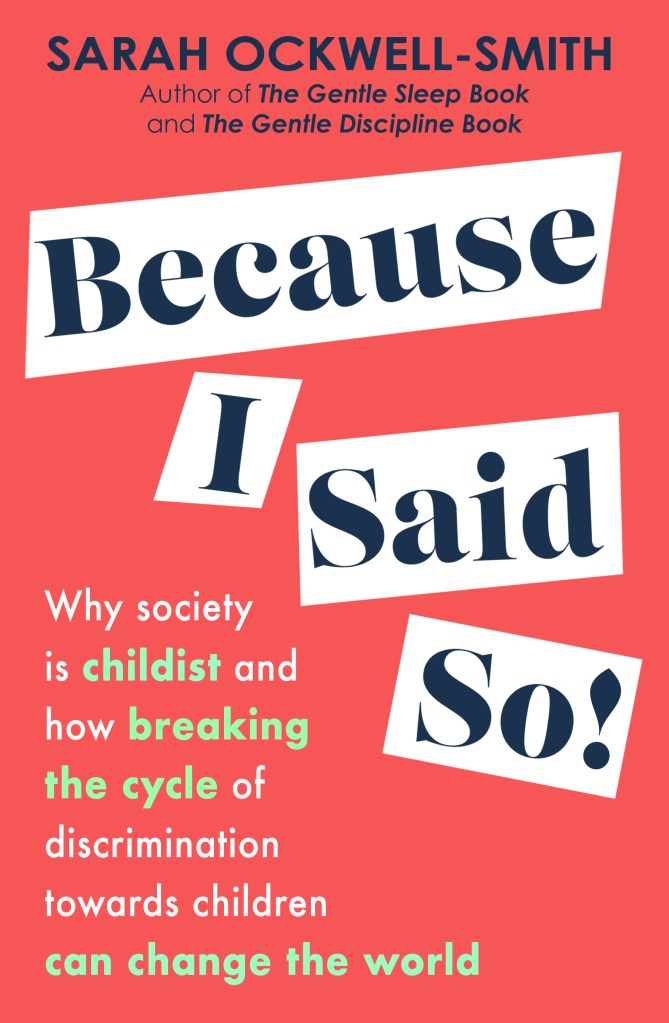
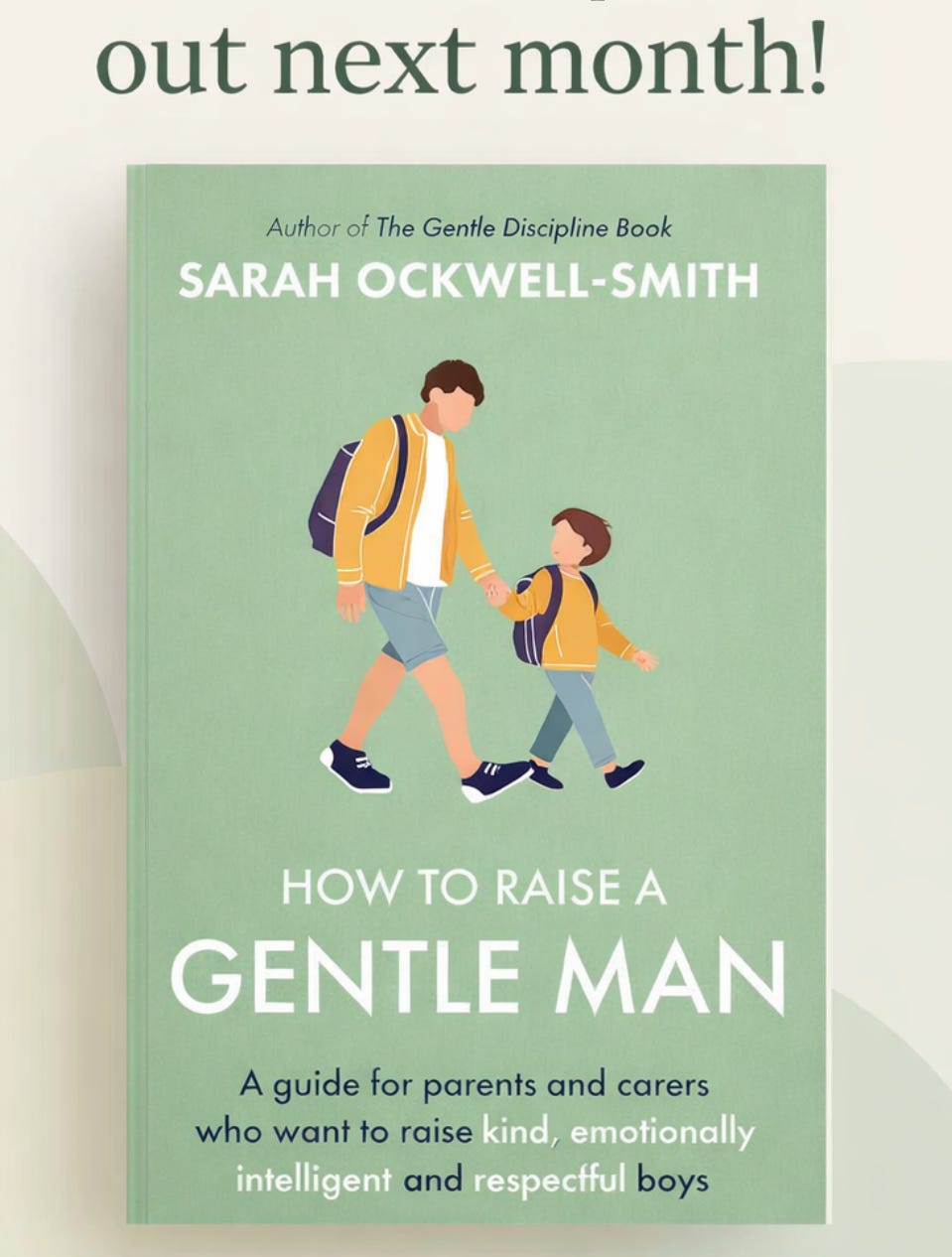


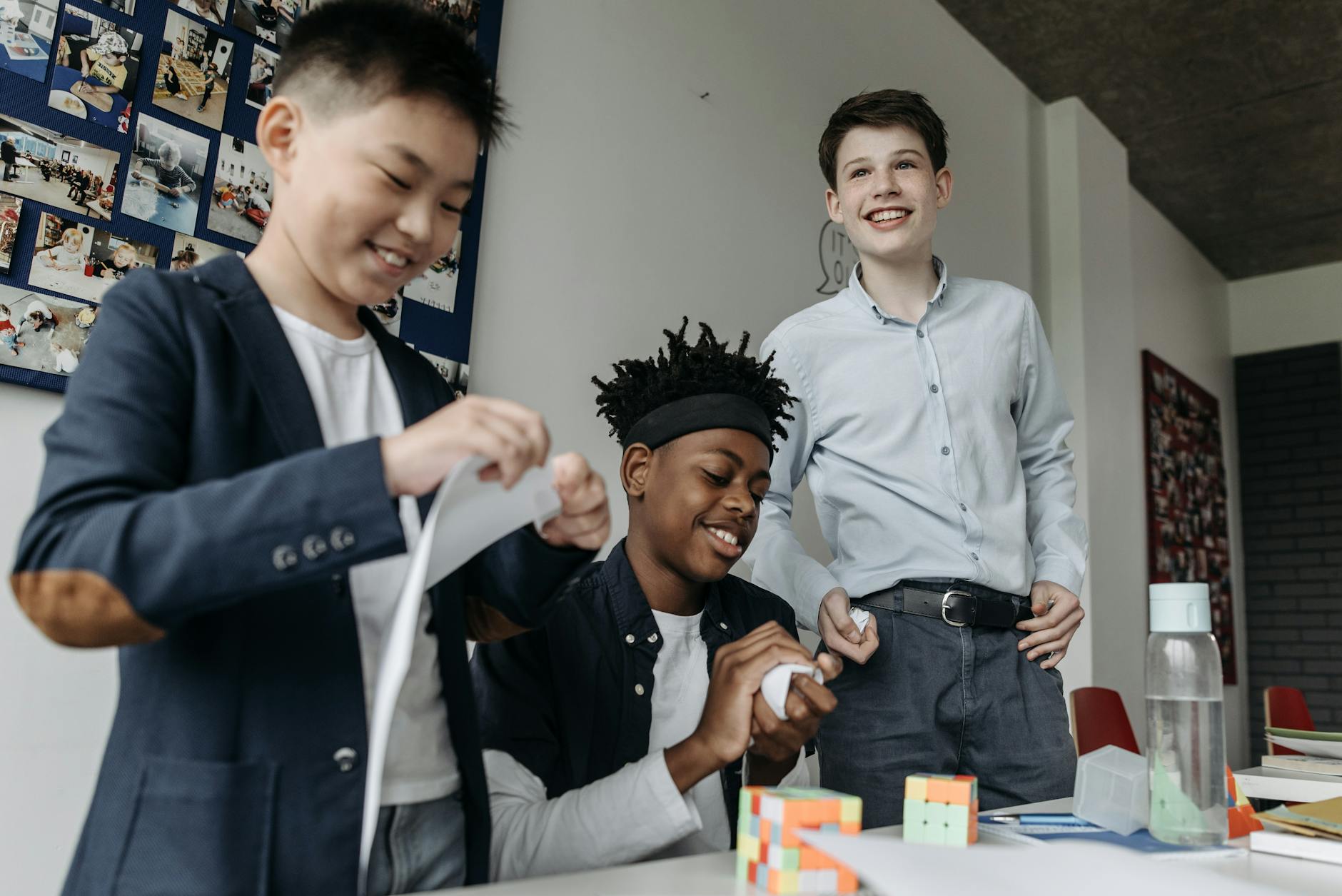
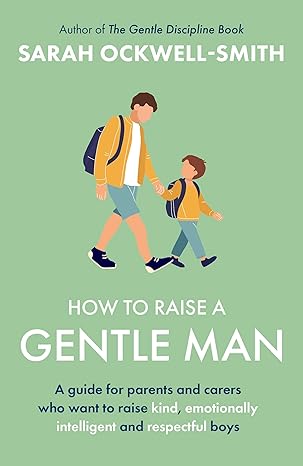









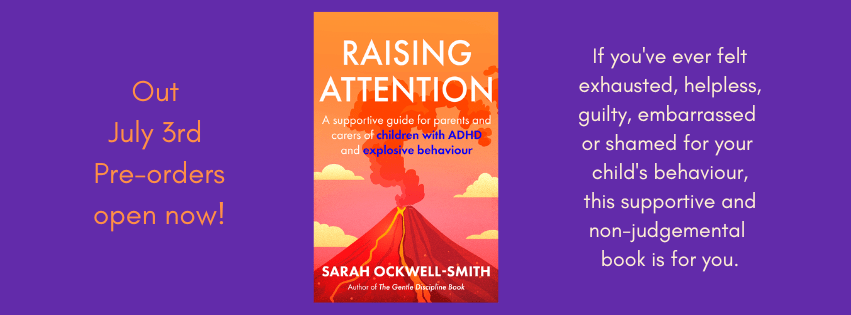


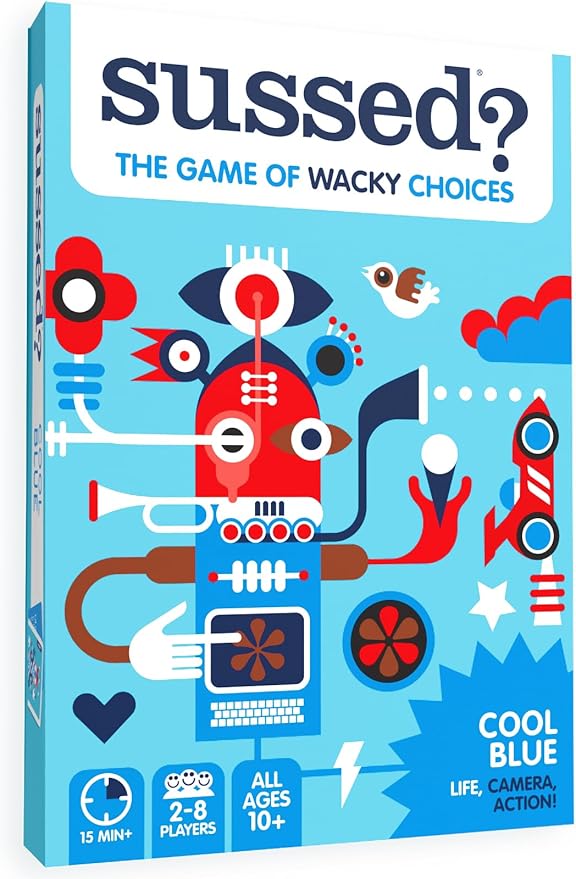





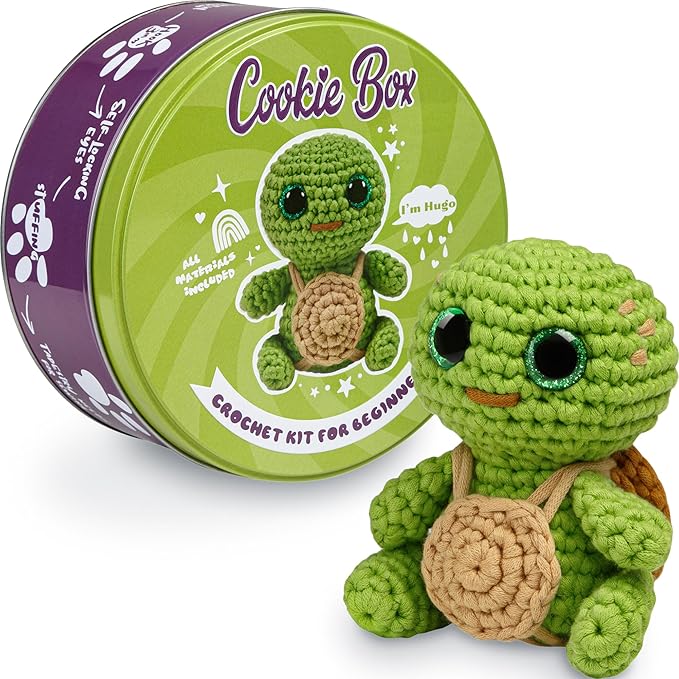





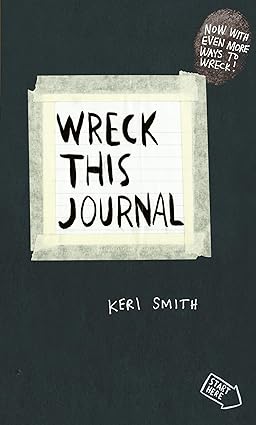

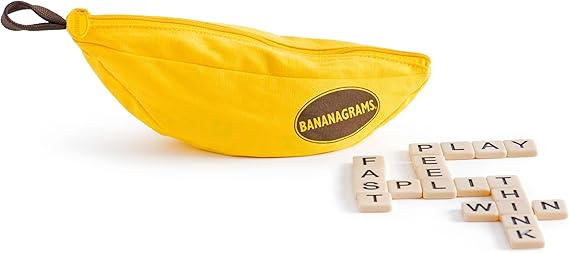
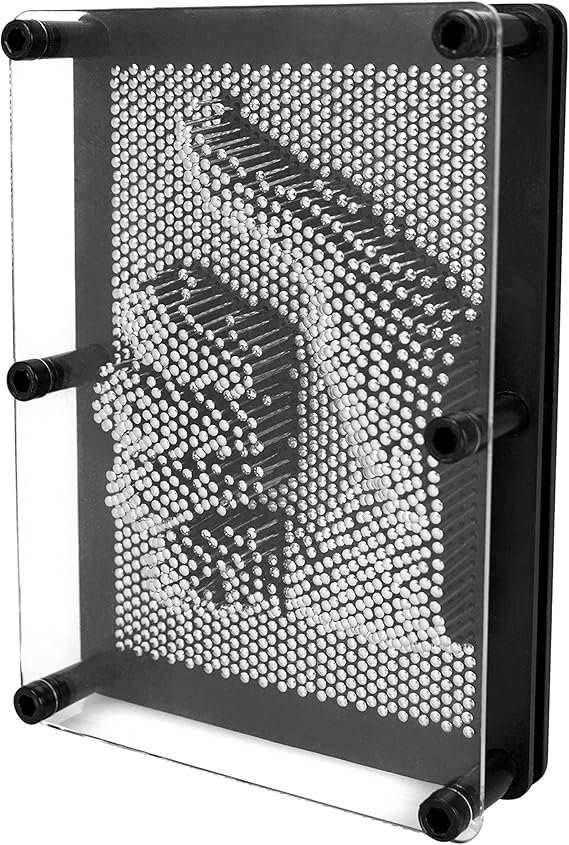
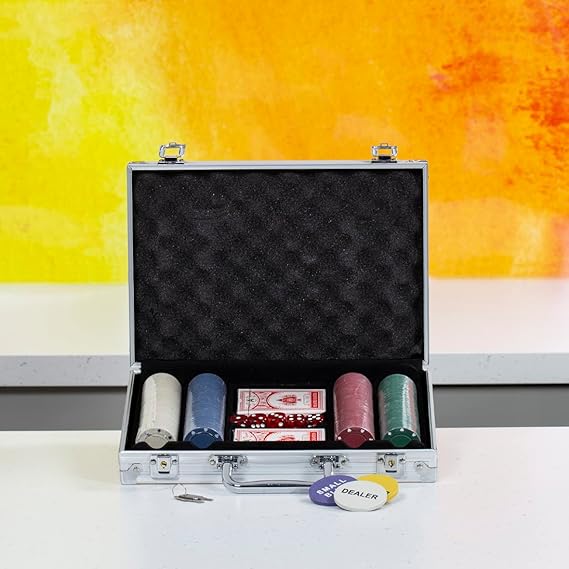




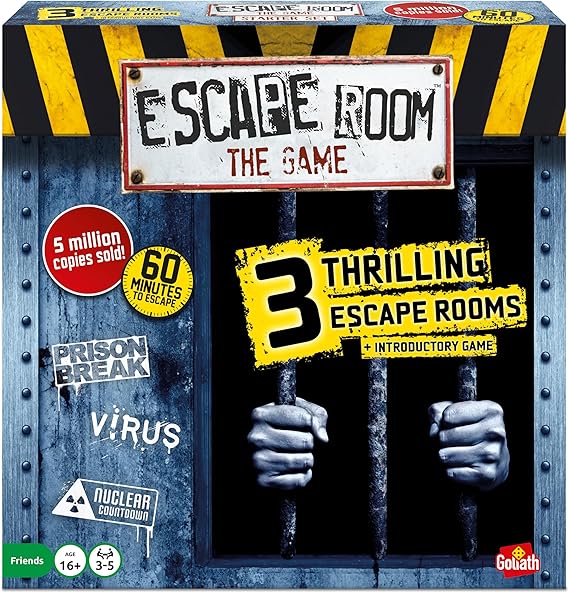















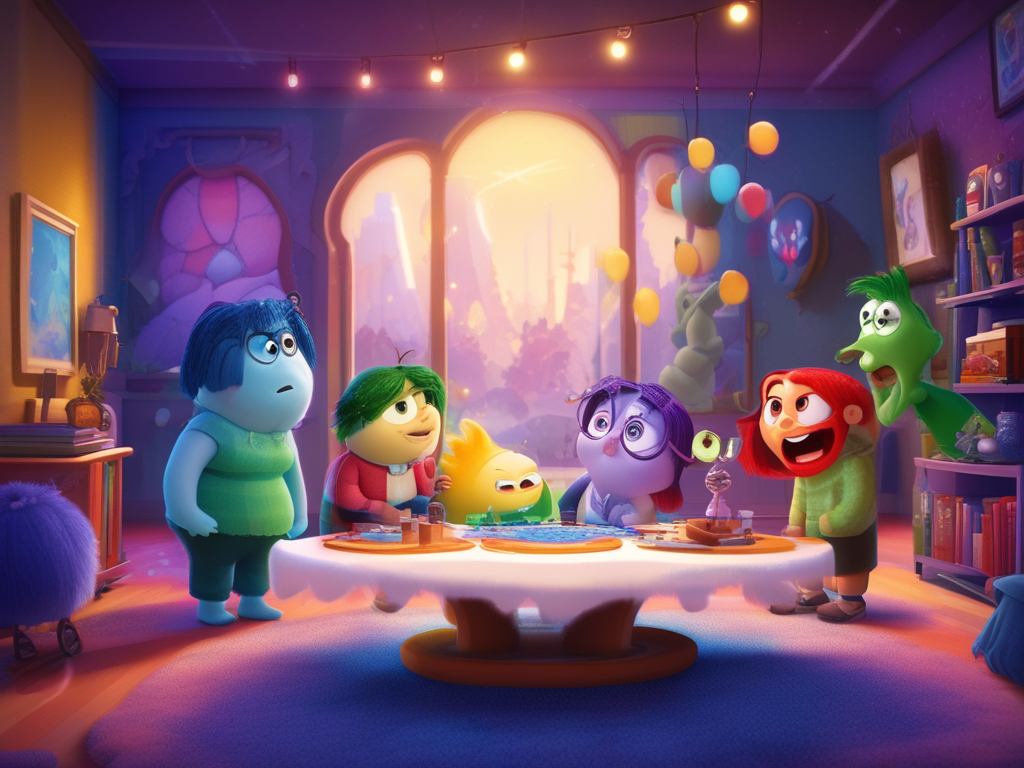
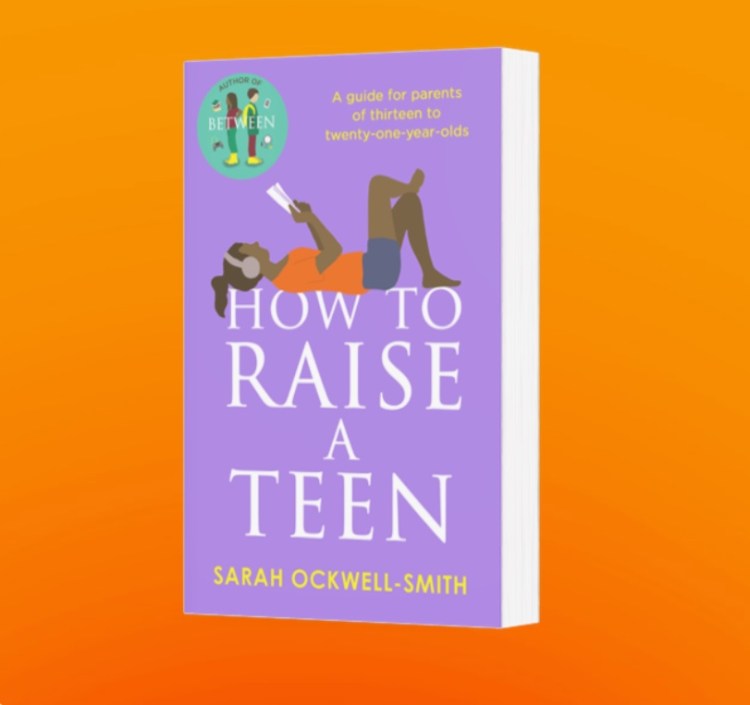
 Sarah Ockwell-Smith
You must be logged in to post a comment.